Independence, 250 Years On: What the Founding Era Still Teaches Builders
From the Trovo team: on America's 250th, what the founding-era spirit of independence and durable building still has to teach the entrepreneurs putting something on the line today.


This year the country turns 250. Two and a half centuries since 1776, since a handful of people decided to bet on something that did not yet exist.
It is easy to flatten that into a holiday. Fireworks, a long weekend, a flag on the porch. But under the celebration is a story every founder recognizes, because it is the one they are living: a decision to build something durable, on your own terms, with no guarantee it works.
We are not going to hand you generic patriotism. We want to talk about what the founding era actually models for someone building a business today, and where getting your capital foundation right fits into building something that lasts.
Independence was a decision, not a feeling
The word "independence" gets romanticized. In practice it was a choice with consequences attached.
The people who signed in 1776 were not waiting to feel ready. They committed first and figured out the hard parts under pressure, because the alternative was to keep operating inside a structure that no longer served them.
Founders make a smaller version of that call all the time. Leaving a stable job. Turning down a safe path to build the thing you actually believe in. Deciding you would rather own the outcome than rent it.
Independence in business is not the absence of help. It is the presence of ownership. You can take advice, take capital, take partners, and still be building something unmistakably yours. The point is not to do it alone. It is to stay in control of the direction.
Betting on yourself is not the same as gambling
There is a difference between conviction and recklessness, and the founding era shows it clearly.
The bet on independence was bold, but it was not blind. There was preparation behind it. Supply lines, alliances, a plan for what came after the declaration. The courage was real, and so was the groundwork.
That is the part modern founders sometimes skip. Betting on yourself is not a reason to ignore the fundamentals. The strongest builders we work with are confident and prepared at the same time. They believe in the vision and they keep the books clean.
Getting your capital foundation right is part of that groundwork. Not because paperwork wins wars, but because a business that cannot show a clear picture of itself has fewer options when it matters. Conviction opens the door. Preparation is what lets you walk through it on good terms instead of whatever terms you can get.
The long game is the only game
The founders of 1776 were not building for a quarter. They were building for a country that would outlast them, and most of them knew they would not see it finished.
That is a hard frame to hold when you run a business. The pressure is always immediate. Payroll is this Friday. The invoice is 40 days late. The competitor just launched. Short-term survival is real, and we never wave it off.
But the businesses that endure are run by people who can hold both timelines at once. They handle this week without mortgaging next year. They make payroll without taking on capital that quietly compresses the company for the next three years. They think in decades even while they act in days.
A few habits that keep the long game intact:
- Solve the cash crunch in a way that does not create a worse one in six months.
- Take on debt that has a job, a cost you understand, and a date it goes away.
- Keep enough structure and record-keeping that the business could explain itself to an underwriter, a partner, or a buyer on short notice.
- Protect optionality. The goal is always to keep more than one door open.
Durable is not glamorous. It rarely trends. But 250 years is a fairly convincing argument for building things that are meant to last.
Building something that outlasts the founder
The most quietly radical idea in the founding was that the thing being built was bigger than the people building it.
For an entrepreneur, that is the shift from running a job you own to building a company that can stand on its own. A business that depends entirely on one person is fragile by design, and founder-dependent leadership can weaken its financing case. One with real structure, clean finances, and a foundation someone else could understand is something that can grow, transfer, and endure.
This is where a lot of founders under-invest. The exciting work is the product, the sale, the growth. The foundational work, the entity structure, the separation of personal and business finances, the credit profile, the capital strategy, feels like it can wait. Until it cannot, usually at the exact moment an opportunity or a shock arrives.
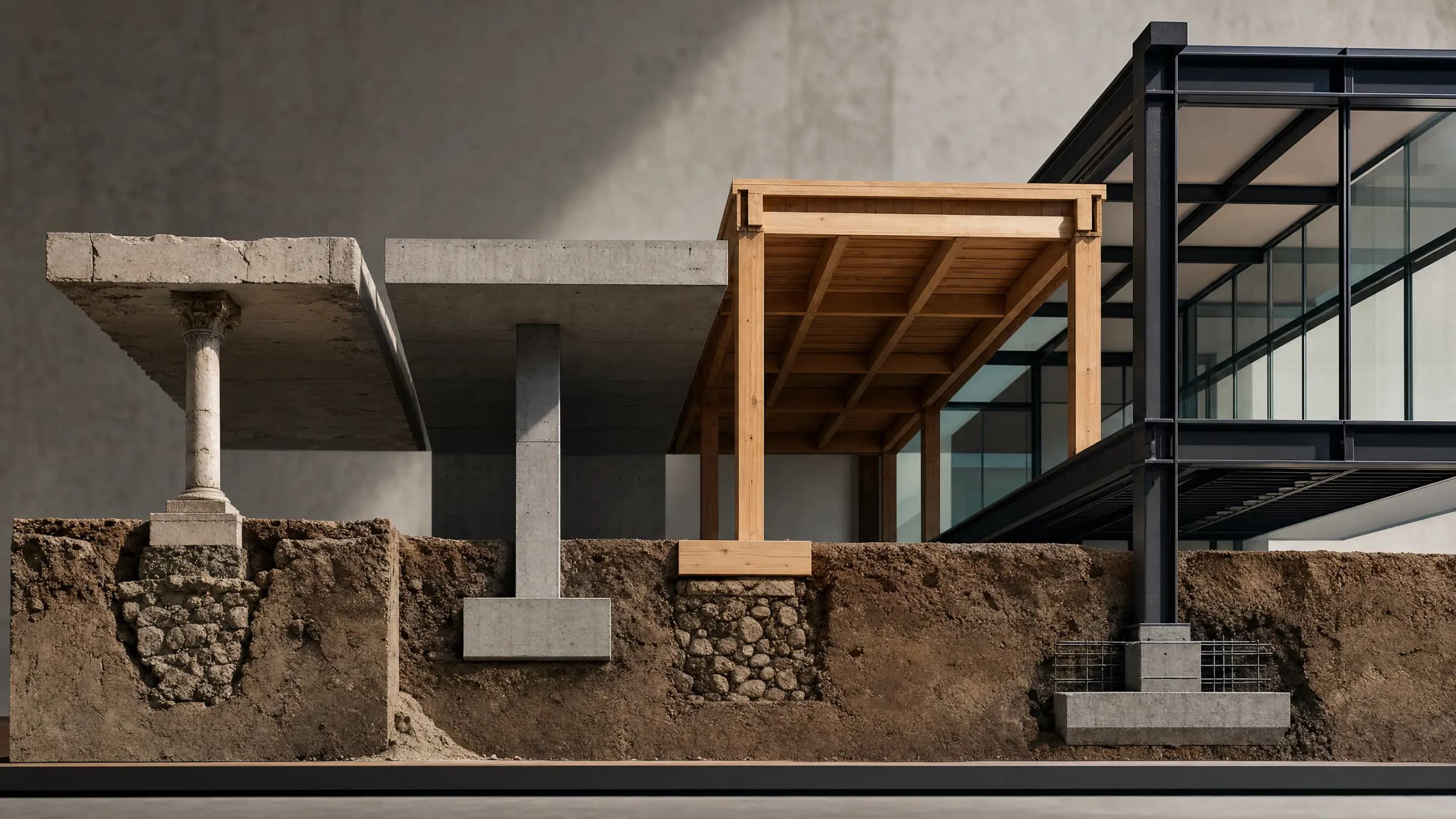
The founders who build something lasting treat the foundation as part of the vision, not a chore beneath it. How the business is built determines what it can eventually become.
Where capital strategy fits
None of this is a pitch to borrow. It is the opposite.
A capital strategy is not about how much you can get. It is about making sure the money serves the long game instead of undermining it. The right capital, at the right time, in the right structure, is a tool for durability. The wrong capital, taken in a hurry from a weak position, is one of the fastest ways to compress a promising business.
Options depend on your profile, and every situation is different. What is typically true is that the founders with the most room to maneuver did the quiet groundwork early, before they needed anything, so the choices were open when the moment came.
That is the through-line from 1776 to a founder reading this on a Friday in July. Independence, conviction, the long view, and the discipline to build something that lasts. The tools change. The spirit does not.
The Trovo Take
Two hundred and fifty years ago, a small group decided that owning the outcome was worth the risk, and then did the unglamorous work to back it up. That is the same instinct that moves someone to start a business today.
Bet on yourself, but be prepared. Handle this week without mortgaging next year. Build a foundation that could outlast you. And treat capital as a tool for the long game, never a patch for a weak position.
If you are building something you intend to last, the capital side deserves the same care as the product. Trovo's business and capital advisory process can map where your foundation stands and what to strengthen next, with nothing touching your credit until you have decided the timing is right.
Happy Fourth. Here is to the builders, the ones from 250 years ago and the ones starting this week.

Original analysis, written by operators who work with founders every week.

Approved by Trovo Capital Team
vol. 1 · no. 14