What Should You Test Before Financing a New Product?
An Entrepreneur contributor puts execution ahead of novelty. Trovo’s takeaway: test willingness to pay and delivery costs before committing to a full product build.

Before financing a full product build, define what a smaller paid test must establish. That is Trovo’s practical takeaway from an October 15 Entrepreneur commentary by RiseGuide founder and CEO Oleksandr Matsiuk, which argues that distribution, reliability and team execution matter more than an idea’s novelty.
Matsiuk recommends moving quickly on reversible decisions and shipping without endless polishing. He presents those practices as lessons from his own businesses, not a universal formula. The piece is founder commentary, not independent evidence that a particular launch strategy will succeed.
Trovo interpretation: buy evidence before committing to production
For an owner considering product-development financing, execution starts with two unanswered questions: Will customers pay the intended price, and can the business deliver what it promised within its cost allowance?
A prototype demonstration can inform the first question, but a paid pilot asks more of the customer. A delivery trial adds another check: record materials, fulfillment, support, rework and the owner’s time. Treat favorable feedback and workable delivery economics as separate requirements.
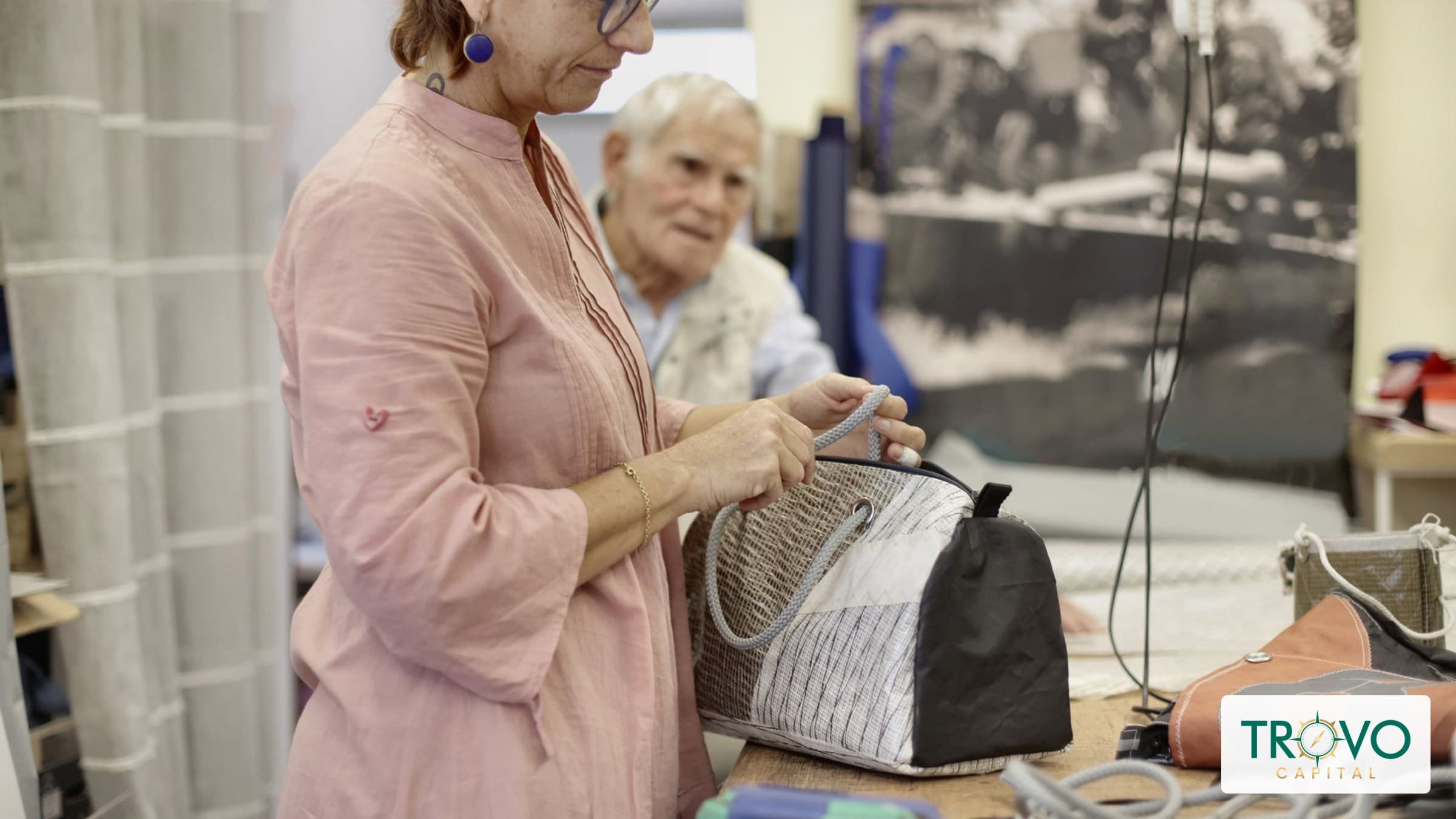
Illustrative assumptions: Suppose a bag maker is considering a $30,000 production commitment. Before placing that order, the owner caps a small prototype-and-sales trial at $3,000. These figures are hypothetical spending limits, not market benchmarks.
Before starting, the owner specifies the intended selling price, the minimum paid orders needed to continue, the maximum delivery cost per bag and a delivery deadline. The trial should disclose its limited nature and any refund terms. Track discounts and personal connections so those sales are not mistaken for evidence of broader demand.
A successful trial still leaves uncertainty. Hand-building a few bags does not establish factory quality or demand for a large batch. Smaller runs may also cost more per unit. That extra cost can be worth accepting if it limits the cash exposed before the design and sales assumptions survive testing.
This adds a product-specific checkpoint to Trovo’s guide to sizing a capital raise around milestones. Use a funding-readiness check alongside the spending plan, keeping financing access separate from product validation.
The next step is a one-page pilot brief: spending ceiling, customer offer, delivery promise, evidence required and a stop date. If the results fall short, revise the product or stop before making the larger commitment.
Image: Andrea Piacquadio on Pexels.