IRS Extends Livestock Replacement Deadline After Drought Sales
Eligible farmers and ranchers have more time to replace livestock sold because of drought. Confirm the deadline before changing tax reserves or borrowing plans.
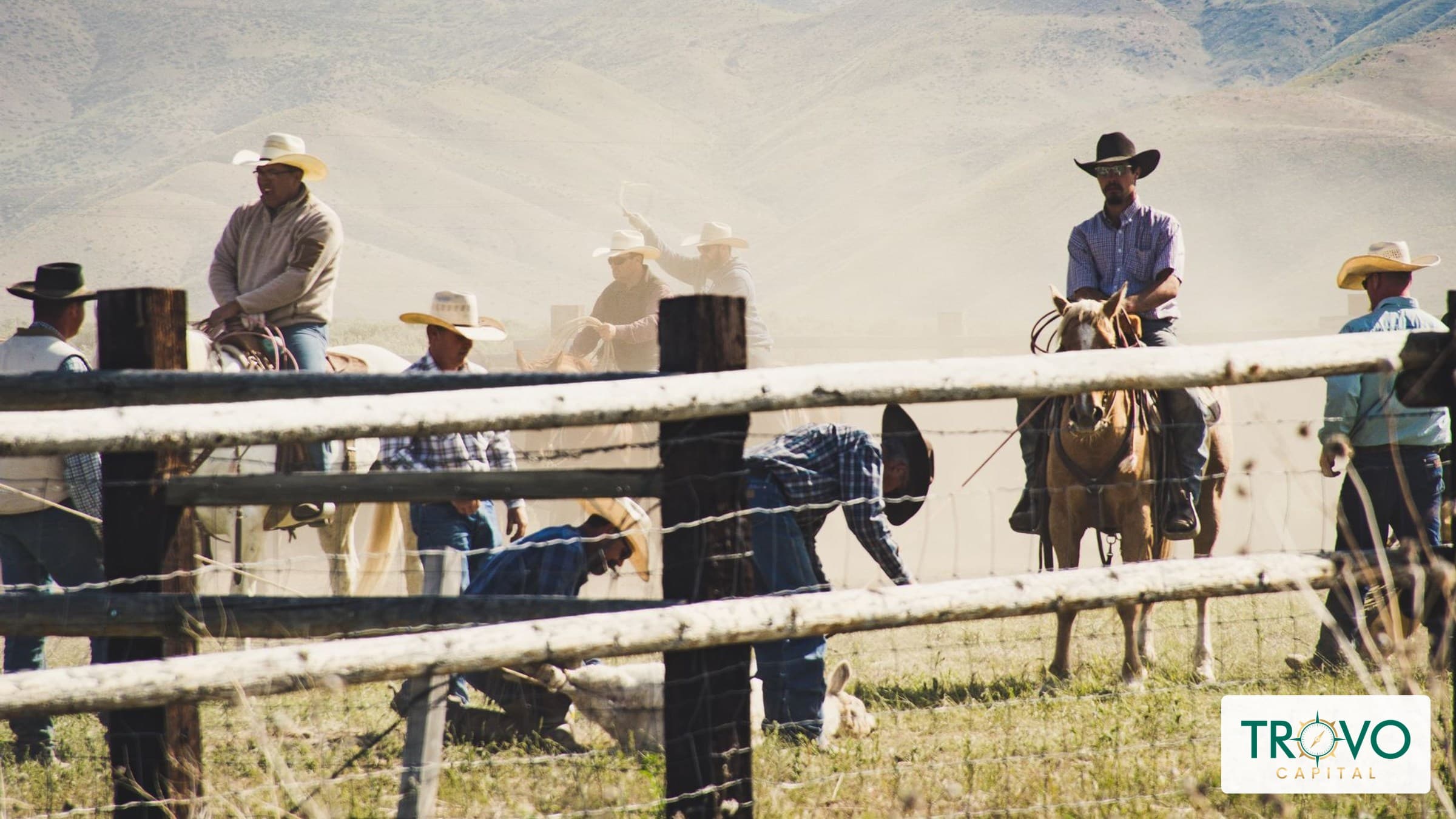

The IRS announced on Sept. 15, 2026, that eligible farmers and ranchers will have more time to replace livestock sold or exchanged because of drought, allowing continued deferral of tax on qualifying gains. Its release on Notice 2026-54 identifies covered jurisdictions across 49 states, Washington, D.C., Puerto Rico and other areas. That geographic reach does not make every agricultural business eligible.
Relief generally covers livestock held for draft, dairy or breeding purposes. Poultry, animals raised for slaughter and livestock held for sporting purposes do not qualify. Owners must show that drought prompted the transaction and that the area received a federal drought designation.
According to the IRS announcement, eligible owners whose replacement period was scheduled to expire at the end of 2026 have until the end of their next tax year to replace the animals. The notice covers qualifying drought conditions during Sept. 1, 2025, through Aug. 31, 2026. The relevant county or jurisdiction and the owner's tax year matter.
What changes in the cash plan
Trovo's interpretation: a confirmed extension can change when an owner needs cash, but it should not be treated as a permanent tax saving or additional operating income. More replacement time may ease pressure to buy animals immediately. It does not establish whether rebuilding the herd now is economically sensible.
For planning, separate three amounts: cash available today, the expected cost of replacement livestock and any tax exposure that remains unresolved. Combining those amounts into one spending balance can make the business appear better funded than its commitments allow.
Before reducing a tax reserve or changing a borrowing request, ask a qualified tax adviser to confirm the covered jurisdiction, qualifying transaction and applicable replacement deadline. Bring sale records and documentation showing why drought forced the sale.
Then update the cash forecast with the confirmed deadline and a realistic replacement schedule. Trovo's debt service floor review provides a framework for examining repayment commitments. A funding readiness check can help organize the next financing decision if a cash gap remains. The immediate task is to establish the actual deadline before deciding how much cash is available for other uses.
Image: Brett Sayles on Pexels.