Should New Opportunity Zones Change Your Business Location?
Treasury and the IRS designated 6,576 Opportunity Zones effective January 1, 2027. Founders considering a location or investor should verify eligibility separately from the business case.
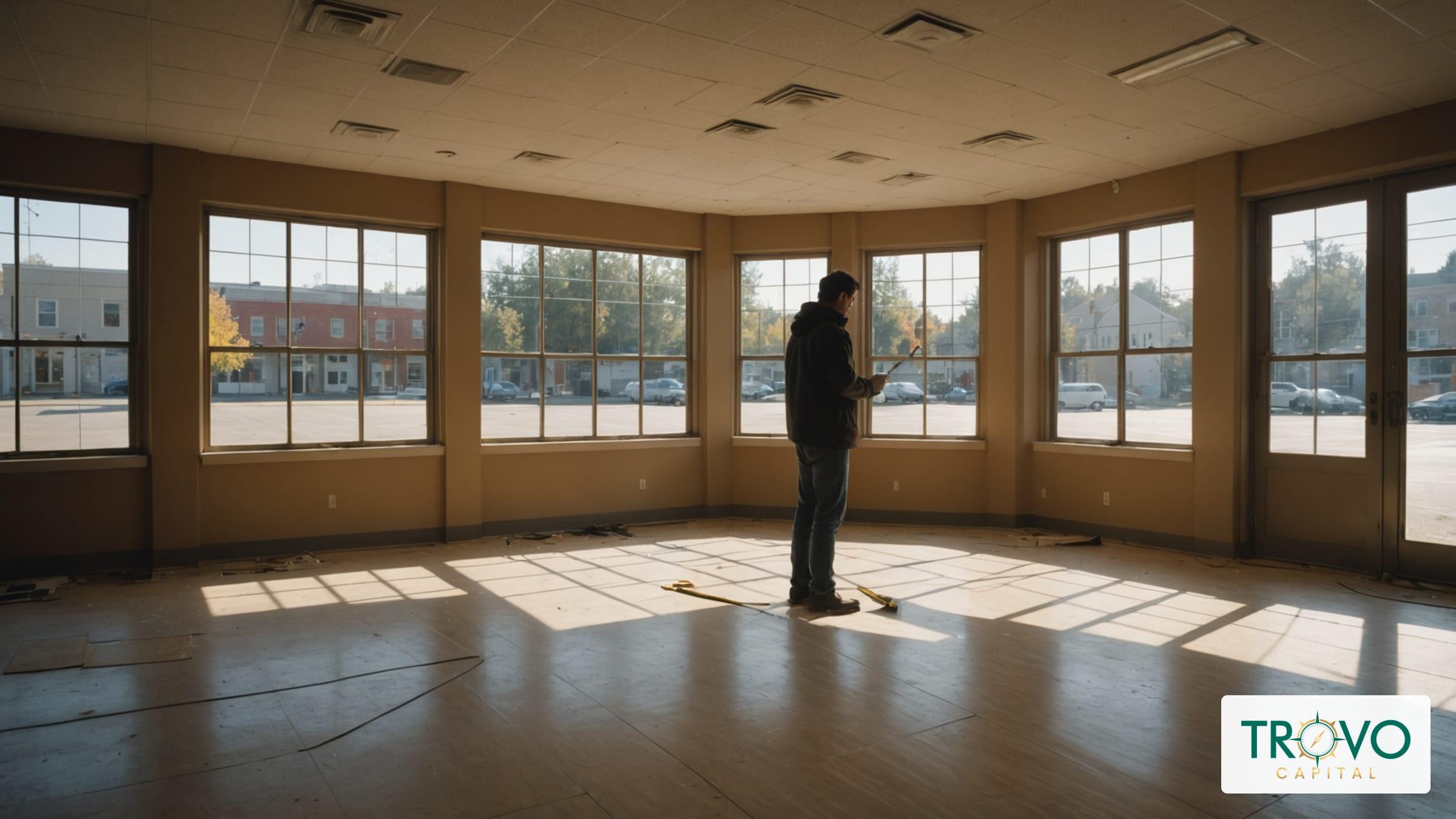
Treasury and the IRS announced on November 5 that 6,576 census tracts have been designated as Qualified Opportunity Zones, effective January 1, 2027, for ten years. For a founder choosing premises, that creates a reason to investigate a location, not a reason to sign a lease.
According to the IRS announcement, the designations include 2,594 rural tracts. The agency says the Working Families Tax Cuts permanently renewed the incentive, added enhanced incentives for eligible rural investment and established redesignation every ten years. These are announced designations with a future effective date, rather than a proposal awaiting approval.
The release does not establish that a particular startup, investment structure or transaction qualifies for tax benefits. It also provides no commitment of capital to an individual business.
Trovo Interpretation: Evaluate the Address and the Investment Separately
Start with the location decision you would make without an incentive. Compare customer access, rent, renovation costs, staffing needs and the cash required before opening. A potentially attractive investment arrangement deserves investigation, but it should not replace evidence that customers will buy at that address.
Illustrative assumption: A founder finds two suitable storefronts. The designated-zone site requires more renovation and opens later. Keep those additional costs and delayed sales in the base budget; put any uncommitted investment in a separate scenario. Otherwise, the founder could accept a larger cash gap before knowing whether anyone will finance it.
Then investigate the investment itself. Use the list and map referenced in the IRS release to verify the exact tract. Ask a qualified tax adviser to assess the proposed structure, applicable dates and eligibility requirements before assigning any tax benefit to the deal. Ask prospective investors separately about their interest, conditions and funding timeline.
Our guide to borrowing, selling equity or waiting provides the broader decision framework. If you receive financing proposals, compare the options against the same opening budget and downside case.
Before committing to premises, write down three separate conclusions: whether the site works commercially, whether advisers have confirmed the relevant requirements, and whether capital is actually committed. A zone designation answers none of those questions by itself.