Should You Buy Delivery Vans or Keep Using a Carrier?
A rising carrier bill does not prove that owning delivery vans will save money. Test slow-week costs, management capacity and backup delivery before committing.
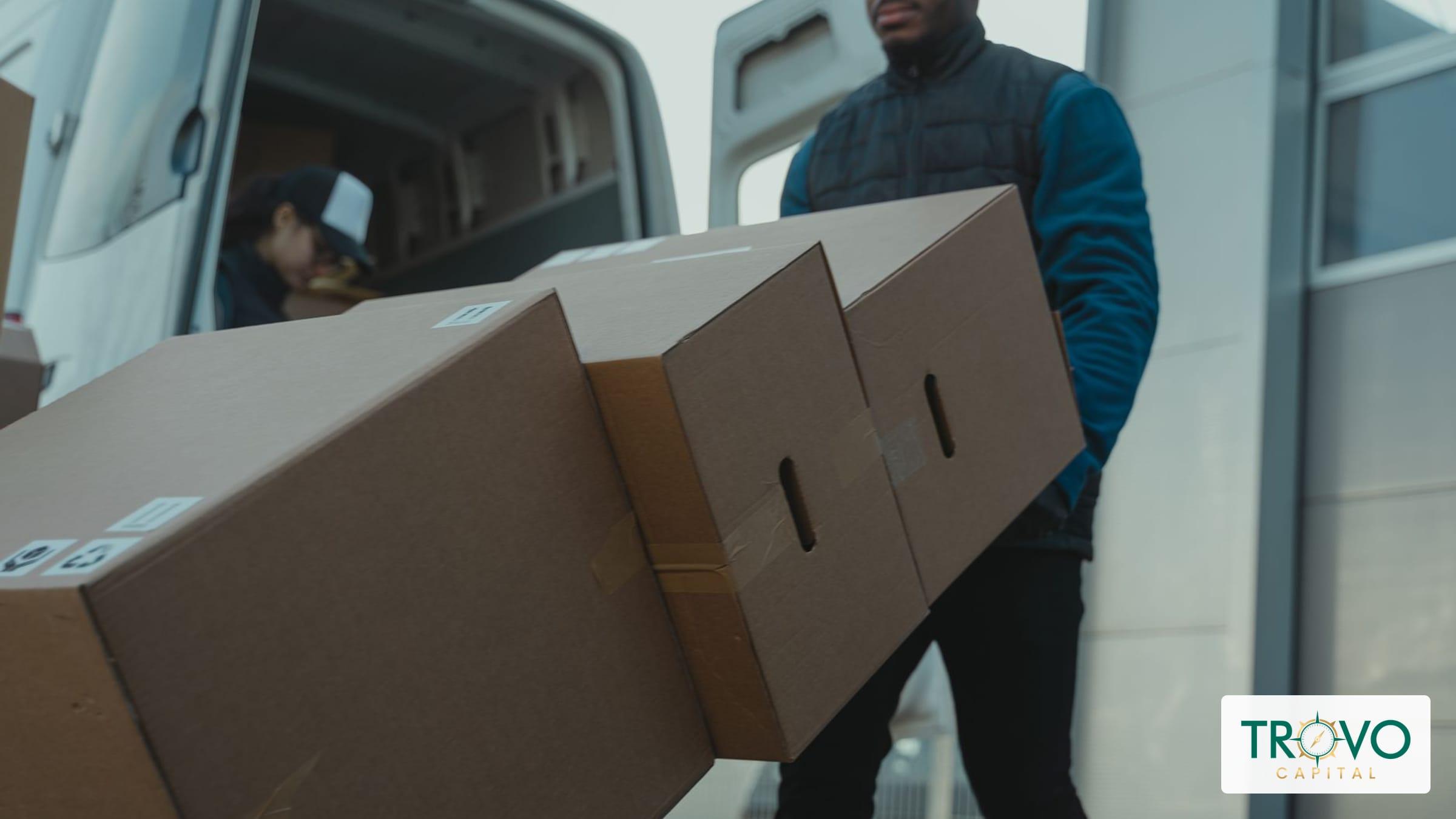
Before replacing an outside carrier with company-owned vans, test whether the delivery operation works during a slow week. A lower vehicle payment than carrier invoice is too narrow a basis for the decision.
In a November 4 Entrepreneur opinion article, contributor Arpit Jain argues that owners should compare fully loaded delivery costs, including maintenance, insurance, depreciation, downtime and supervision. He also identifies the operating responsibilities that come with ownership: driver training, realistic routes, inspection records and accident response. The potential benefit is greater control over scheduling and customer handoffs. The article offers an operating framework, not evidence that an in-house fleet will save a particular business money.
Trovo Interpretation: Make the Slow Week Decide
For an early-stage retailer, the useful question is how much dependable delivery demand exists before committing to vehicles and payroll.
Start with recent completed deliveries. Separate dense local routes from scattered stops, and record failed deliveries and time spent resolving complaints. Price the same work under both arrangements, including comparable service requirements. Do not compare a carrier’s two-person furniture delivery with a budget that assumes one employee can complete every stop.
Then build two views. For the operating comparison, include vehicle depreciation and the value of management time alongside direct expenses. For the cash forecast, enter actual purchase deposits, payments, payroll, insurance and repair allowances when they would be paid. Keep those views separate so the vehicle purchase and depreciation are not counted twice as cash outflows. Build on Trovo’s 13-week cash test rather than treating the fleet budget as an isolated spreadsheet.
Run a downside case with fewer completed stops and one vehicle unavailable. Obtain a backup-delivery quote instead of assuming the existing carrier will cover overflow at the old price. Assign someone responsibility for dispatch and maintenance before signing vehicle contracts.
If ownership still looks viable, compare financing options against that downside cash schedule, including upfront costs and repayment dates. Financing terms should follow the operating decision.
The next step is a written comparison using actual delivery records and current quotes. If the projected savings depend on peak demand, unpaid owner supervision or uninterrupted vehicle availability, keep outsourcing while you gather stronger evidence.
Image: Tima Miroshnichenko on Pexels.
Source Article
The Hidden Risks of Building Your Own Delivery Fleet as a Growing BusinessEntrepreneur